
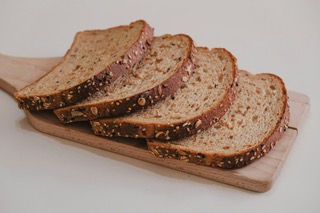
My younger patients spend a lot more time on social media than I do and seem to have become fascinated with cooling foods like rice or pasta or toasting or freezing bread to increase resistant starch. Why? Some are looking for ways to reduce blood sugar spikes or a strategy to manage their weight. Others are into feeding their gut to support healthy bacteria.
Trends in nutrition tend to cycle and reports suggest we are in a “carb cautious” trend. People are worried that eating any bread or white potatoes will cause weight gain. Yet, they still want to eat foods that are affordable, easy to prepare and that they like.
Before becoming a Registered Dietitian Nutritionist (RDN), I trained as a food scientist. While the concept of resistant starch was present in our food science and food chemistry books in the 1960s, the modern term of “resistant starch” did not yet exist. We were taught that starch resists digestion, cooking makes it digestible, and cooling makes it resistant again — which is exactly the modern definition of resistant starch.
I don’t really recall any link to human nutrition, but rather we were interested in “raw starch digestibility”, “enzyme accessibility of starch granules”, “gelatinization and retrogradation”, “bread staling”, and “unavailable or indigestible” carbohydrate. For making a desirable bread product, the focus of the food scientist was on creating a bread with an appealing texture while delaying staling to extend shelf life. Today we know that resistant starch, which acts like soluble dietary fiber and escapes digestion in the small intestine and is fermented in the colon with clear physiologic effects, has modest clinical effects and strong variability between people.
There are reports that cooling rice lowers glycemic impact and freezing bread reduces carbs. These claims come from the process of retrogradation — cooling converts some digestible starch into resistant starch. So, we are seeing “science-backed food hacks” and comments like leftover pasta is healthier than fresh. The effect of cooling is indeed real, but modest at best. It does not make carbs “free” foods. Portion size as well as the other ingredients in the pasta dish matter.
As a side note, for many years I helped patients interested in using the glycemic index of food to plan their meals. There is evidence to suggest that resistant starch can blunt post-meal glucose some and possibly improve insulin sensitivity over time, but the variability is great. Few patients are willing to follow through with testing their blood sugar before and after eating their favorite foods to determine the glycemic index and load. Others find it tedious to use the charts to plan their meals as every combination of food changes the load. You can find protocols on the web for figuring out your body’s glycemic response to a food, but it is not ‘simple”
As for the gut-microbiome hype and claims like resistant starch is “fertilizer for your gut”, it is true that resistant starch is a prebiotic and feeds beneficial microbes that produce short-chain fatty acids and support metabolic health. You can find supplements of corn or potato starch and green banana flour, but like all dietary supplements it’s difficult to learn what’s in the bottle and its efficacy and safety. Rather than taking supplements or trying to create resistant starch in your favorite foods, make sure you are meeting the recommended intake of dietary fiber which is about 25 grams for women and 38 grams for men; most Americans do not consume enough fiber. Increase your fiber slowly and drink plenty of fluids to avoid gas and bloating. Choose foods naturally high in resistant starch, including legumes like lentils, chickpeas, black beans, kidney beans and white beans. Beans are good for not only their resistant starch but plant proteins. Eat your bananas while still slightly green. Enjoy grains like steel-cut oats, barley, farro and wheat berries. Eat your left-over grains, pasta and rice–rather than adding them to food waste. And if you really want to, go ahead and freeze, thaw and toast your white, sourdough or whole grain bread.
Don’t miss another great blog: Subscribe Now