
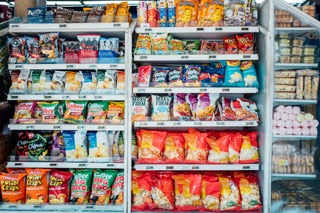
We are seeing scary headlines about bad health effects from eating ultraprocessed foods (UPFs). Yet we still don’t have an agreed upon definition for UPFs so it’s hard to know how to advise consumers and patients. Researchers, regulators, and Registered Dietitian Nutritionists would love to better understand the risks and benefits of eating foods labeled as UPFs. Is it nutrient composition, food structure, additives, or patterns of consumption, or some combination of these factors that lead to observations that eating some food may contribute to the development of obesity, diabetes, or other chronic conditions. Robert F. Kennedy Jr. promised we would have a definition by April 2026, and that it would be used to create front of the package labels. We already know that we, as consumers, are influenced by the words on the front of the box, can, or bag of food more than by the Nutrition Facts label on the side or back of the package. The Facts label is a great tool, with facts about what is in the package, not just marketing words like “natural” or “real”. Use the Nutrition Facts label to guide your food choices. While we wait for clear science about UPFs, I have some thoughts about UPFs.
My patients, friends and family members ask me what I eat and if I eat UPFs. Yes, I eat some processed food. I eat canned, dried, and frozen fruits and vegetables especially when fresh produce isn’t available or is too expensive. I tell folks I am not shortchanging my family and tell patients the nutrients are the same, if not better, and I eat processed produce rather than no fruits or vegetables. Of course, I avoid highly processed produce …. those with added sugars and fats, creamed sauces, or those that have been fried. I am asked if I drink processed milk, and I give a resounding yes to that question. Milk is pasteurized primarily for safety and a longer shelf life. Raw milk can be unsafe, and pasteurization kills harmful bacteria in it. There’s good reason for the law that prohibits the sale of raw milk. Milk may be processed to reduce the saturated fat and calories and to fortify nutrients like vitamins A, D, and calcium. As a matter of taste preference, I don’t drink highly processed plant-based milks but think they are great for those who have a milk protein allergy or prefer it because they follow a vegetarian diet. I worry about friends who are unwilling to give their older parent nutritional supplements like Ensure or Boost because they perceive them to be UPFs even though mom or dad may need extra calories, protein, vitamins, and minerals. Nutritional supplement food products remain a great option to support those at risk for malnutrition or unintentional weight loss.
I follow the nutrition research about UPFs very closely and will change my advice when the evidence warrants. However, recently researchers noted in the highly regarded journal called Science that the negative effects of eating what some researchers have labeled as UPFs in their studies are likely to be due factors that are found in what we commonly call “junk food”, so I haven’t changed my tune on eating junk food. I continue to suggest to patients who want to follow a healthy eating pattern, and do so myself, to limit the intake of high calorie low nutrient density foods and processed foods that have high amounts of saturated fat, salt, added sugars and are low in dietary fiber and protein. You can learn all that information from the Nutrition Facts label.
Of course we would all like our food to be completely natural. If you are avoiding foods or beverages because it has ingredients you can’t pronounce, take the time to learn about the reason those ingredients are used. Many are to enhance the shelf life and safety, add nutrients, as well as to make them delicious. As a Registered Dietitian Nutritionist, I know the people I counsel need to see how eating healthily fits into their lifestyle. For me that means I need food that is convenient, nutritious, safe, affordable, and has a long shelf life. Rather than worry if a food or drink is a UPF, work to improve the quality of your diet. Follow the 2020 Dietary Guidelines, the DASH, or Mediterranean way of eating as you are able.
Don’t miss another great blog: Subscribe Now