
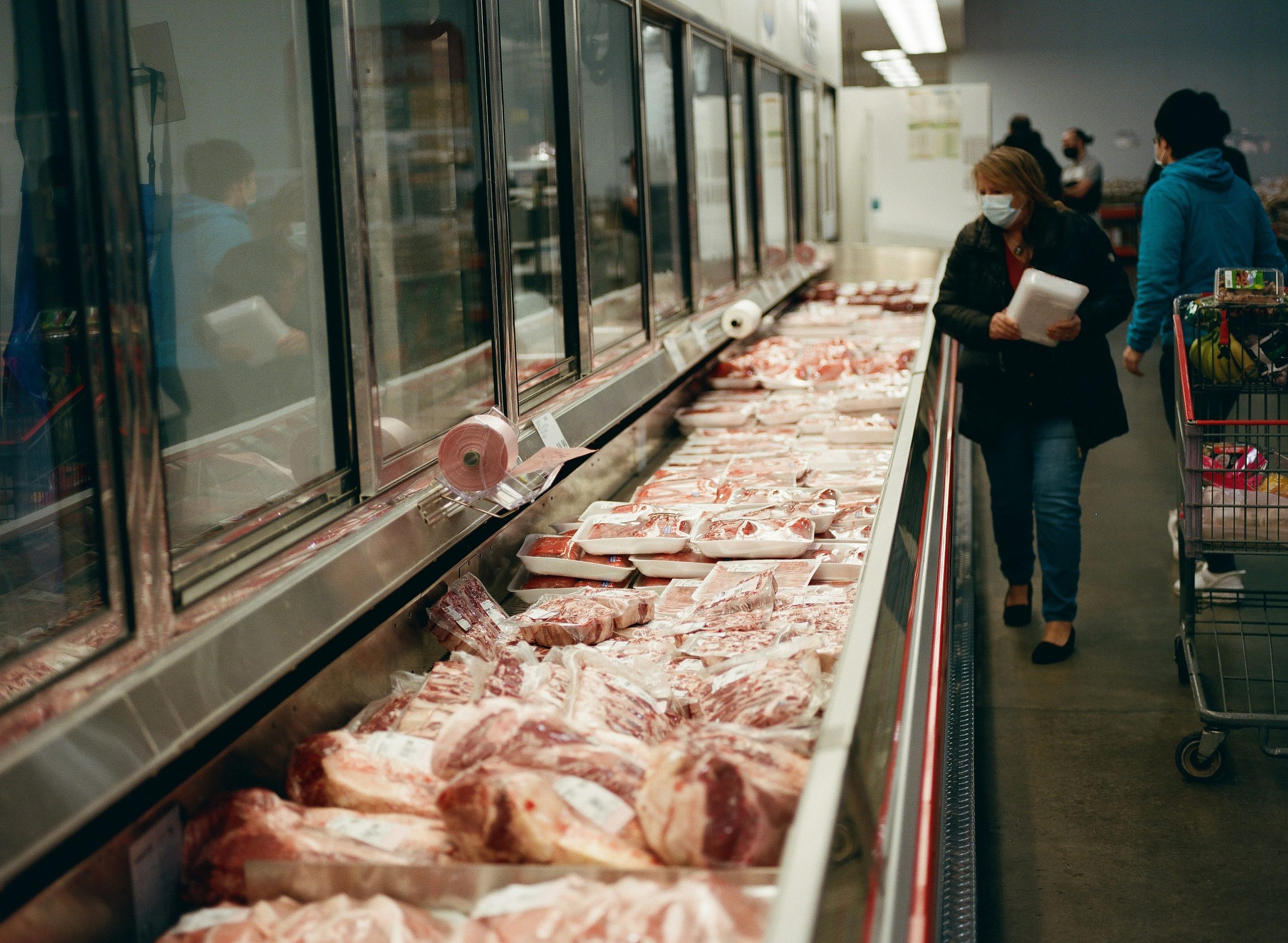
I am repeatedly asked by women whose husbands are prescribed a heart healthy diet if all meat is bad for you? The men say they love red meat and want to ignore the doctor’s orders. They ask if they should switch to the “fake meats.” I suggest they ask the doctor to clearly explain the risks and benefits of eating meat as the general messages about eating meat are confusing. Most nutrition experts emphasize moderation in the consumption of meat while eating a diet filled with fruits, vegetables, and grains — as close to the natural state as possible. The unfortunate thing about general dietary guidance given to people through newsletters, handouts, websites, influencers and even this blog is that one message does not fit all. Every person is different.
For example, for an older adult with poor appetite who has sarcopenia (age-related progressive loss of muscle mass, strength, and function) or an iron deficiency, eating red meat is good as it offers pleasure, high-quality protein, bioavailable heme iron, vitamin B12 and zinc. But if you have high LDL cholesterol (the bad type) or are insulin resistant (the cells in your muscles, fat and liver do not respond effectively to insulin, leading to prediabetes), have low fiber intake and eat lots of highly processed foods, frequent red meat consumption may not be healthy.
There are plenty of studies that show a high intake of red and, especially, processed meats increases risks for heart disease, type 2 diabetes and colorectal cancer, which has lead the American Heart Association and American Cancer Society to give the general advice to limit — not eliminate — red meat and eat plant proteins like beans, lentils, nuts and seeds. We don’t know if the highly processed plant-based alternative burgers and sausages that are made to taste like red meat are better for you than red meat. Some of these products have sodium, saturated fat from coconut oil, sugars and other ingredients that may affect long-term health.
The health-promoting Mediterranean diet and the DASH diet do not eliminate meat but move it away from being the center of the plate. The quality of the food that surrounds the meat on your plate is important. The bottom line is that a healthy plate for most people can include some red meat. Perhaps getting a husband to eat less meat is the appropriate general advice. Designing a personalized diet to meet personal health conditions with the help of a Registered Dietitian Nutritionist (RDN) may be the best strategy.
Don’t miss another great blog: Subscribe Now