
Whenever I hear someone say, “you need to eat more of…”, it brings back a memory of a time, years ago, when I was working with a young doctor who wanted to help his patients lose weight. I suggested he invite me into his visit with a patient so I could demonstrate what I would do during a shared appointment. He was convinced that all he needed to do was hand a diet sheet to the patient and tell them to follow it. Much to my chagrin, he found a 1,000-calorie sheet and gave it to the patient that day. A couple of weeks later, she returned distraught because she had done what he had asked her to do, yet she had gained 5 pounds. This time he asked me to visit with the patient, and she told me that she had continued her usual eating pattern and had added all the foods on the diet sheet. It was not surprising that she had gained weight since she was eating an extra 1,000 calories each day.
The new Dietary Guidelines (www.dietaryguidelines.gov) recommend you:
- Eat the right amount for you
- Prioritize protein foods at every meal
- Consume 3 servings of dairy per day
- Eat 3 servings of vegetables and 2 servings of fruit throughout the day
- Eat 2-4 servings of whole grains every day
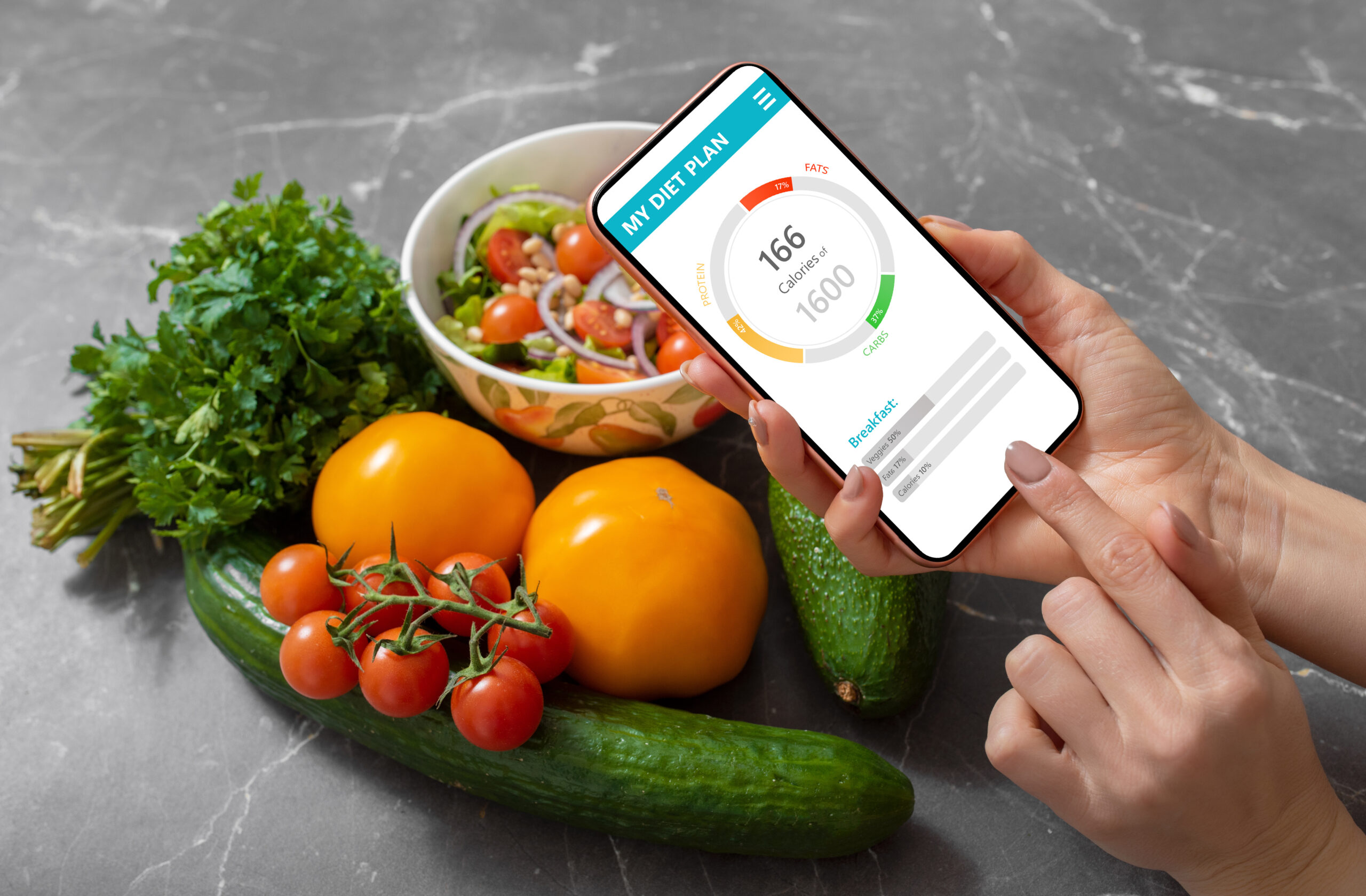
Before you change the way you are eating consider what food and drinks you usually consume and the nutrients they give you. Casey Collins’ ESMMWL blog, “Write it when you bite it” (May 2024) gives tips on how to track your intake. Kelly Nordby wrote about tracking with the MyNetDiary app (July 2025). She also referred to her November 2021 blog where she described several other tracking apps. Most of these apps are free and easy to use.
Since we hear so much about protein these days, I wondered if I needed to add more protein to my diet. I tracked my intake using Cronometer (our ECU medical students like the Cronometer app (Cronometer.com)), and I found that I was more than meeting my protein needs. If I added more protein to my diet, it would have increased my grocery bill, and my body would have either wasted the excess protein or stored it as fat. I was also reminded that with skim milk, I was getting all the nutrients found in full fat milk, but if I switched to full fat milk, I would get an extra 50 calories and 3 grams of saturated fat per 1 cup, which are not in my budget.
Mindfulness is an important aspect of the Eat Smart, Move More programs, and tracking is a tool to use with it. I recommend you get to know your plate by tracking before making any changes.
Don’t miss another great blog: Subscribe Now